Every social media expert on YouTube says the same thing: "Pinterest is a search engine, not a social platform. If you're not on Pinterest, you're leaving traffic on the table." So I got on Pinterest. And fourteen days later, I permanently paused my account. Here's why.
When Promise
The pitch was irresistible. Pinterest users are actively searching for products. They're in buying mode. Unlike Facebook or Instagram, where you're interrupting someone's feed with a promotional post, Pinterest users are already looking for recommendations. The platform is visual, which means images do the selling. And pins have a long shelf life — a pin you create today can drive traffic for months, unlike a Facebook post that disappears in hours.
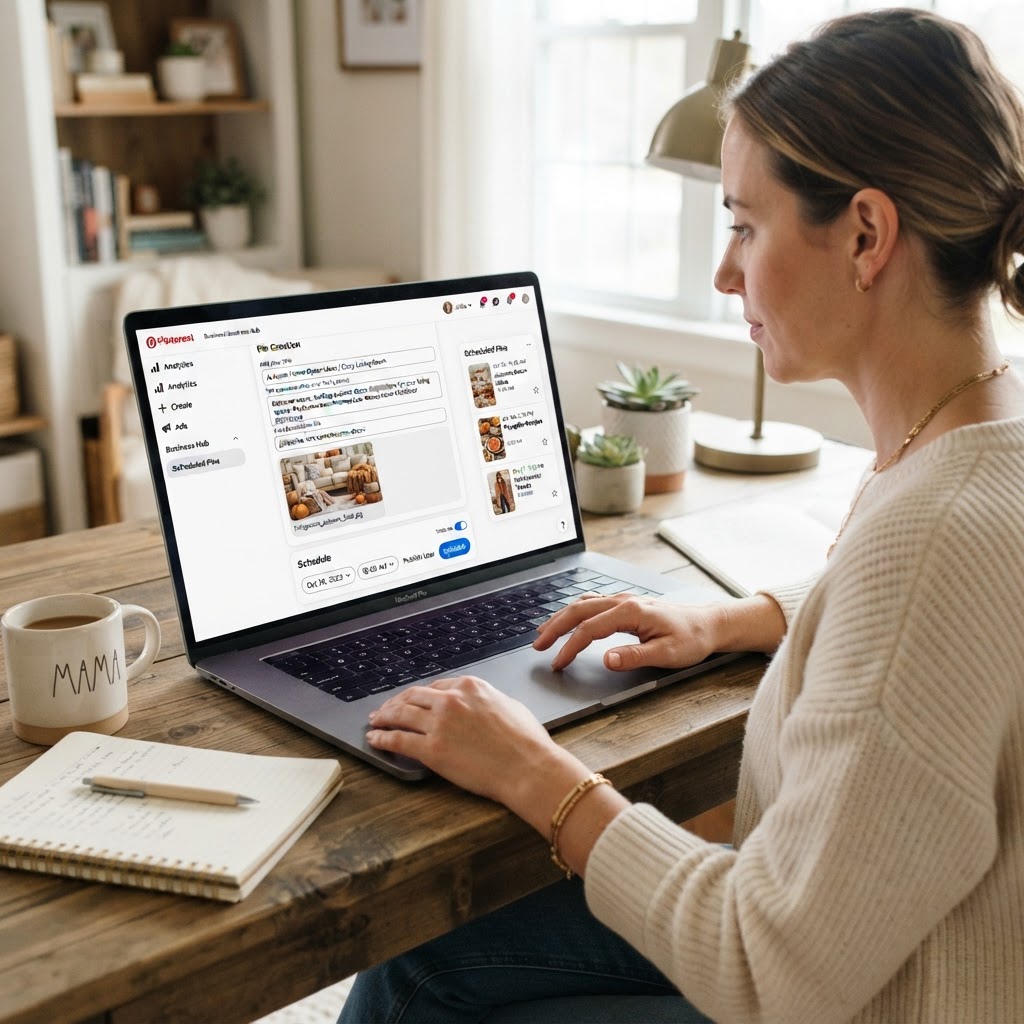
I created a business account. I designed pins for every affiliate product on my site. I spent a weekend creating fifty pins — product images, lifestyle shots, comparison graphics. I scheduled them using Tailwind, the Pinterest-approved scheduling tool. I optimized my pin descriptions with keywords. I joined group boards. I followed the playbook exactly as the experts described it.
For the first three days, it felt like it was working. Impressions climbed. Clicks started coming in. My analytics showed a small but steady stream of traffic from Pinterest to vitaladge.com. Not huge, but consistent. I was optimistic.
Why Reality
>
By day seven, the cracks started showing. The traffic from Pinterest wasn't converting. People were clicking through to my site, browsing for thirty seconds, and leaving. The bounce rate was 94%. Compare that to Google search traffic, where visitors stay for three to five minutes and actually click through to affiliate links.
The problem, I realized, was intent. When someone searches Google for "best supplement for joint pain," they have a specific problem they want to solve. When someone on Pinterest sees a nice picture of a supplement bottle, they're browsing. They might click because the image looks nice, but they're not in buying mode. They're in inspiration mode.
And then there was the time cost. Creating pins is not quick. Each one needs a properly sized image, a compelling title, keyword-rich description, and a link. Even with templates, I was spending two hours a day on Pinterest. Two hours that could have gone into writing a blog post or creating a YouTube video — content that would rank in search and drive converting traffic for years.
My Rate Limiting
>
The final straw came on day twelve. Pinterest started rate-limiting my account. My pins were getting fewer impressions. My reach was dropping. When I checked the account status, I found that my domain had been flagged for "spam-like behavior." I hadn't spammed anyone. I had simply been pinning affiliate links, which is apparently what every affiliate marketer does, and Pinterest's algorithm had caught up with me.
The funny part is that I was doing exactly what the platform wanted — creating visual content, linking to products, using their scheduling tools. But the platform's spam filters don't distinguish between a genuine recommendation and a spam bot. If your pins all link to the same domain, and that domain has affiliate links, you look like spam. Even if your content is genuine.
Why Decision to Walk Away
I paused the account on day fourteen. Not deleted — paused. I kept the pins I'd created in case I ever wanted to reactivate. But I stopped creating new content, stopped scheduling, stopped checking the analytics.
Here's the math that made the decision easy: in two weeks, Pinterest sent me 347 visitors. Zero of them converted. In the same two weeks, Google organic search sent me 89 visitors. Seven of them converted, generating $127 in affiliate commissions. One channel was working. The other was noise.
What I actually got from it wasn't that Pinterest is bad. It's that not every traffic source is right for every business. Pinterest works for visual products, recipe blogs, fashion, home decor. It doesn't work for affiliate reviews of health supplements and SaaS tools. The audience mismatch was the problem, and no amount of pin optimization was going to fix that.
What I Took From It
I'm not anti-Pinterest. I'm anti-wasting-time-on-platforms-that-don't-fit. The two weeks I spent on Pinterest weren't entirely wasted — I learned about visual content creation, I designed pin templates that I later repurposed for Instagram, and I gained a clearer understanding of user intent across different platforms.
But the biggest takeaway was simpler: focus. Every hour you spend on a platform that doesn't convert is an hour you're not spending on the one that does. The "be everywhere" advice that social media experts give is poison for a solo operator. You can't be everywhere. You shouldn't try.
After Pinterest, I made a rule: before I spend time on any new platform, I need to answer three questions. Does the audience match my products? Can I create content for it without burning out? And does the traffic convert? If the answer to any of those is no, I walk away. No matter how many experts say I should be there.
Pinterest lasted two weeks. It was the shortest experiment of my entrepreneurial journey. It also taught me one of the most valuable lessons: knowing when to quit is as important as knowing when to persist.
Fourteen Days of Canva in Melville
The decision to dive headfirst into Pinterest was born out of sheer desperation and online marketing hype. Every social media guru on YouTube and Twitter was making the exact same bold claim: "Pinterest is not a social network; it is a visual search engine, and if you are not using it for affiliate marketing, you are leaving thousands of dollars on the table." Intrigued by the promise of free, high-intent organic traffic, I decided to dedicate two full weeks to mastering the platform. I locked myself in my small rented flat in Melville, Johannesburg over a rainy weekend, determined to build a visual traffic pipeline for my product review site.
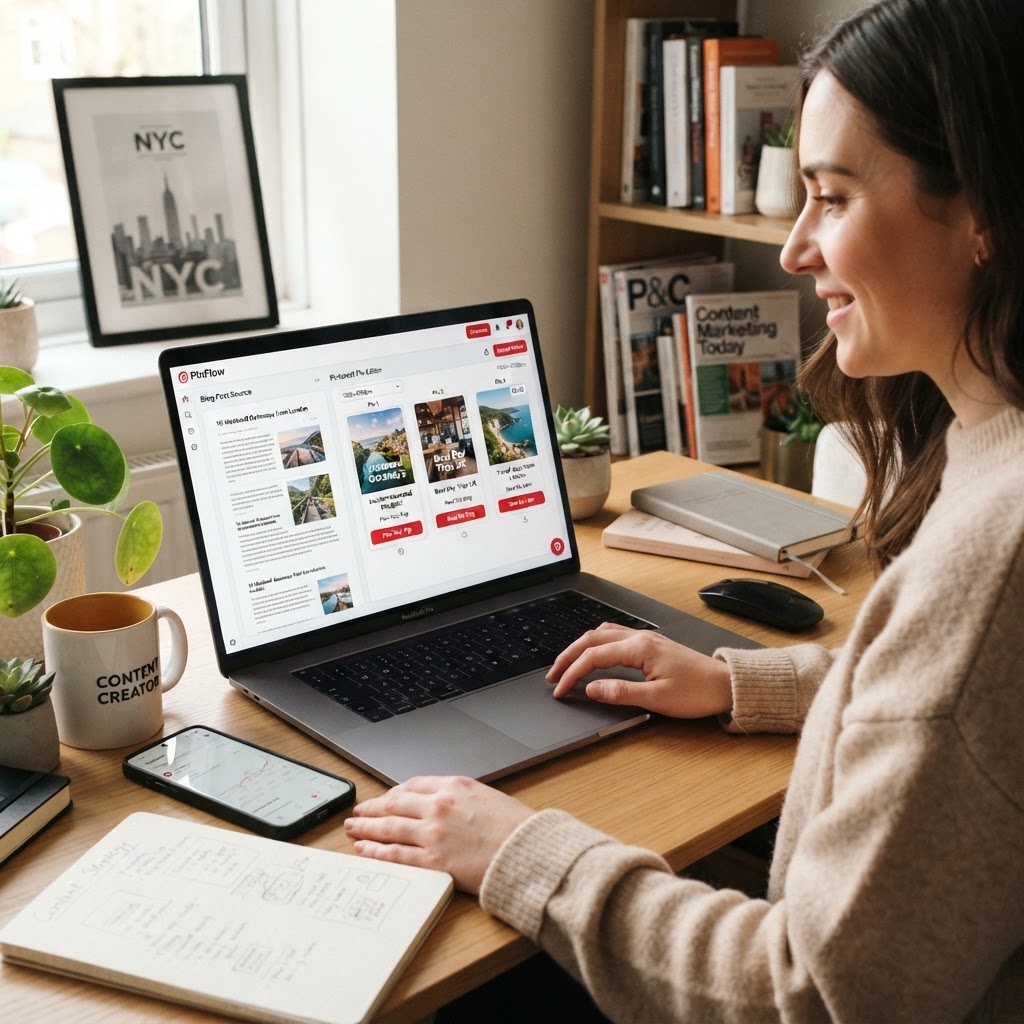
To support the heavy media creation, I bought an extra R399 50GB home fiber top-up package to stream tutorial courses and download high-resolution stock photography without throttling my internet connection. I opened a Pinterest Business account, set up rich pins, and spent over thirty hours on Canva designing custom visual pins. I created fifty distinct vertical graphics (1000x1500px aspect ratio) featuring bold typography, eye-catching color palettes, product comparison charts, and explicit call-to-action buttons targeting my affiliate product niches. I was convinced that this effort would unlock a flood of steady, passive visits to my review articles.
The Demographics Disconnect and Buying Intent
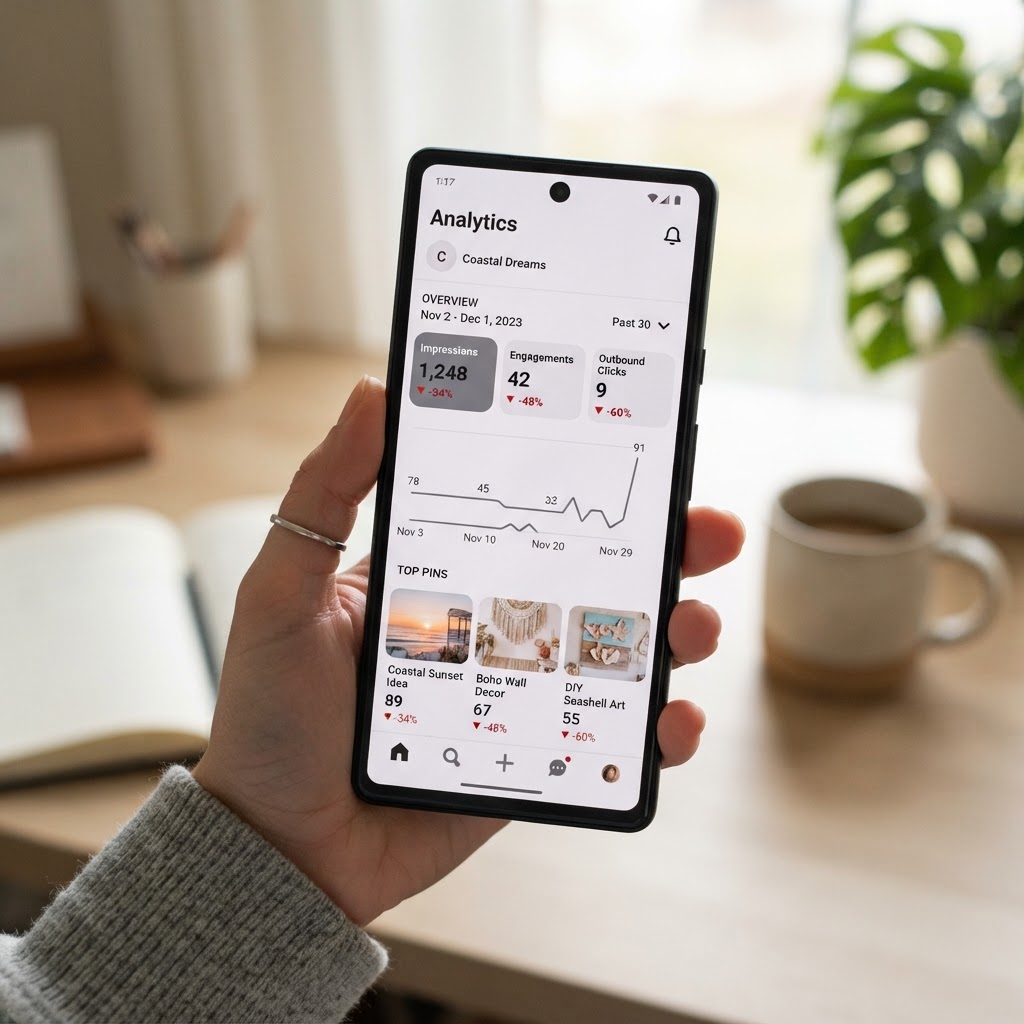
By day ten of my Pinterest experiment, the harsh reality began to set in. I opened my Pinterest Analytics dashboard and began cross-referencing the numbers with my Google Analytics server tracking. While my pins had accumulated over twelve thousand visual impressions across the platform, actual outbound link clicks were shockingly low: just four user clicks over ten days, yielding exactly zero conversions and R0.00 in earnings. When I analyzed the audience demographics of those impressions, the fundamental strategic disconnect became painfully obvious.
The overwhelming majority of active Pinterest users (over 80%) are located in North America and Western Europe, actively searching for home interior decor, wedding planning inspiration, fashion style boards, DIY craft tutorials, and recipe ideas. My affiliate blog, on the other hand, focused on specialized web hosting reviews, software automation tools, and targeted health supplement comparisons. South African internet users rely heavily on Instagram, Facebook, TikTok, and WhatsApp for local buying recommendations rather than Pinterest. Trying to force technical software reviews and supplement comparison tables into an aesthetic, lifestyle-driven visual search engine was like trying to sell heavy machinery at a boutique fashion market.
The Manual Pinning Commute on the Rea Vaya Bus
The operational drag of managing Pinterest was exhausting. Every morning, I would wake up at 05:45 AM, walk down to the local bus stop, and catch the Rea Vaya rapid transit bus from Soweto through Milpark into the Johannesburg CBD, paying R18 per single ticket. During the bumpy forty-five minute commute, squeezed between tired office workers and students, I would stare at my smartphone screen, manually uploading scheduled pins, typing keyword-rich pin descriptions, adding relevant hashtags, and applying to join niche group boards in hopes of expanding my reach.
When I finally sat down on Friday night to calculate the return on investment for those fourteen days, the numbers were embarrassing. I had spent over twenty-five hours of intense manual labor designing graphics, scheduling pins, and managing board structures. In return, I received four total website visits. My effective hourly wage for that two-week experiment was literally zero Rand. Every hour spent tweaking Canva graphics on a crowded bus was an hour stolen from writing comprehensive 2,000-word SEO articles that could rank on Google and capture actual search intent.
Algorithmic Lag vs. Immediate Monthly Expenses
Another major realization was the severe timeline mismatch between Pinterest's ranking algorithm and my immediate financial obligations. Pinterest is notorious for its slow algorithmic indexing; visual pins often take three to six months to index, gain momentum, and surface consistently in user search feeds. While a successful pin can theoretically drive evergreen traffic for years, waiting half a year for hypothetical traffic is an unviable strategy when you are running a bootstrapped startup.
My monthly expenses in Johannesburg were fixed and relentless: rent on my flat (R4,500/month), groceries from Checkers (R1,200/month), monthly prepaid electricity tokens from Eskom (R500), and mobile data bundles needed for my day-to-day operations. When bills are due at the end of every calendar month in South African Rand, spending weeks planting visual seeds that might bear fruit in six months is a luxury I simply could not afford. I needed direct, high-intent traffic from users actively looking to buy right now.
Shutting Down the Board and Reclaiming Focus
On the fourteenth day of the experiment, I made the firm decision to permanently pause my Pinterest marketing push. I cancelled my trial subscription to automated pinning tools like Tailwind, saving $15/month (around R280 ZAR), and archived my active pin schedules. Walking away from two weeks of intense graphic design work wasn't easy, but it was necessary to protect my time and focus.
Abandoning shiny object syndrome is a crucial skill for any solo entrepreneur. It is easy to get seduced by YouTube success stories claiming that a single social channel will revolutionize your business. In reality, spreading your limited time thin across four different social platforms guarantees mediocre results on all of them. By shutting down Pinterest, I reclaimed twenty-five hours of monthly bandwidth, which I immediately reallocated toward deep long-tail keyword research, technical page speed optimization, and writing detailed product reviews tailored for organic Google search traffic.
Furthermore, removing the Pinterest clutter from my daily browser tabs restored a sense of clarity to my workflow. I no longer spent valuable morning hours tweaking color gradients or worrying about pin board organization. Instead, I established a strict daily content publishing routine: waking up at 05:00 AM, spending ninety minutes researching low-competition search queries, and drafting 1,500 words of authentic text before heading out to my job. Focus, I discovered, is not about what you choose to build—it is about what you consciously choose to eliminate.



Comments
Post a Comment