Carletonville, 2 November 2026
There is a number I had been avoiding for two weeks. This morning I finally sat down and counted it properly, on paper, the way I used to check my till when I worked retail.
Twenty-seven.
That is how many entries in this diary have no link pointing at them from any page Google already trusts. Not badly written. Not thin. Not duplicate. Just published, finished, and floating somewhere with no road leading to it.

The map I drew at 1am to work out which of my own pages were orphans.
I have spent eleven weeks assuming my problem was the writing. That Google did not trust the words, that the diary sounded too personal, that an AI assistant had made it feel machine-made, that the health-adjacent posts on the store needed more authority before anyone would rank them. I have rewritten introductions. I have added bylines. I have added disclosure lines and dropped a fake reviewer idea before it happened. All of that was useful and none of it was the thing.
The number that made me stop
This morning, before I touched anything, I checked the diary homepage and counted the links in the post list. Seven. Seven entries out of sixty. Everything older than about three weeks had no path from the front door.
Then I counted the archive page, the one called All Posts, built back in September so that every entry would sit two clicks from anywhere. Fifty-nine links on it. A complete shelf of everything I have ever written. The problem is that the archive page itself is not indexed. Google has never put it in the index, so a fully linked catalogue sitting on my own domain counts for nothing at all. It is a library with a sign outside that nobody reads.
Put both those facts together and the whole thing falls out in one line: twenty-seven of my entries have zero inbound links from any page that Google actually crawls, and the rest mostly have one, from a homepage that only ever showed the newest seven.

The count, done by hand, because the tools had been telling me the wrong story for weeks.
What Search Console had been saying all along
I went back into Search Console and read the Pages report the way you read a bank statement, slowly, line by line, instead of glancing at the headline number and closing the tab.
Seven indexed. Fifty-six not indexed. Of those fifty-six, thirty-six were sitting in a category Google calls Discovered, currently not indexed. That phrase has annoyed me for months. Now I understand exactly what it means. Google knows those pages exist. It has read them on my sitemap. It has simply decided that crawling them is not worth the server time yet, because almost nothing on the web points at them and the ones that do are all the same page.
One page was described as Crawled, currently not indexed, which is a different problem. Two more were redirect errors, which come from the mobile redirect Blogger puts on its pages and which I fixed at the edge with a Cloudflare Worker last month. Those are not crawl demand. Those are plumbing.
The rest are my fault. I built a shop and forgot the aisles.
The homepage limit nobody tells you about
Blogger has a setting called Max posts shown on main page. Mine was set to seven. I do not remember choosing seven. It is probably what the theme came with, and I never had a reason to look, because when you are publishing two posts a week, seven looks like a generous amount of front page.
It is not generous. It means that every time I published entry eight, entry one lost its only inbound link from the front of my own site. As the diary grew, the number of orphaned entries grew with it, quietly, one post at a time, while every other metric I was watching looked normal.
I changed it to twenty-five. One field. A number in a box, then save. Within a few minutes the homepage was rendering twenty-three entry titles instead of seven. No theme edit, no plugin, no code. Actually the honest version is that it took me longer to find the setting in Blogger's new interface than it took to change it, because the settings page opens each value in a small inline editor and you have to click the value itself before anything becomes editable.
Twenty-five is not infinite. Eleven entries still do not appear on the homepage. But twenty-five links is enough that the crawl has somewhere to go, and it means the newest month of writing is one hop from the page Google fetches every single day.
The dead ends I had been shipping
While I was in there I checked every old category URL on the store, the ones that used to exist before I reorganised the catalogue in October. Four of them were redirecting properly. Five were not: beauty, fitness, nutrition, supplements and wellness all returned a 404 error. Not a soft miss. A hard page not found, on a shop that does around two hundred products.
Those are the worst kind of broken link because they look like nothing. A visitor clicking a category from an old Pinterest pin or an old Google result lands on a page that says the content does not exist, and the crawl budget I spent getting there is gone. Five lines of redirect code, written once, and all five now return a 301 to the right category. I should have checked this the week I reworked the catalogue instead of two weeks later.
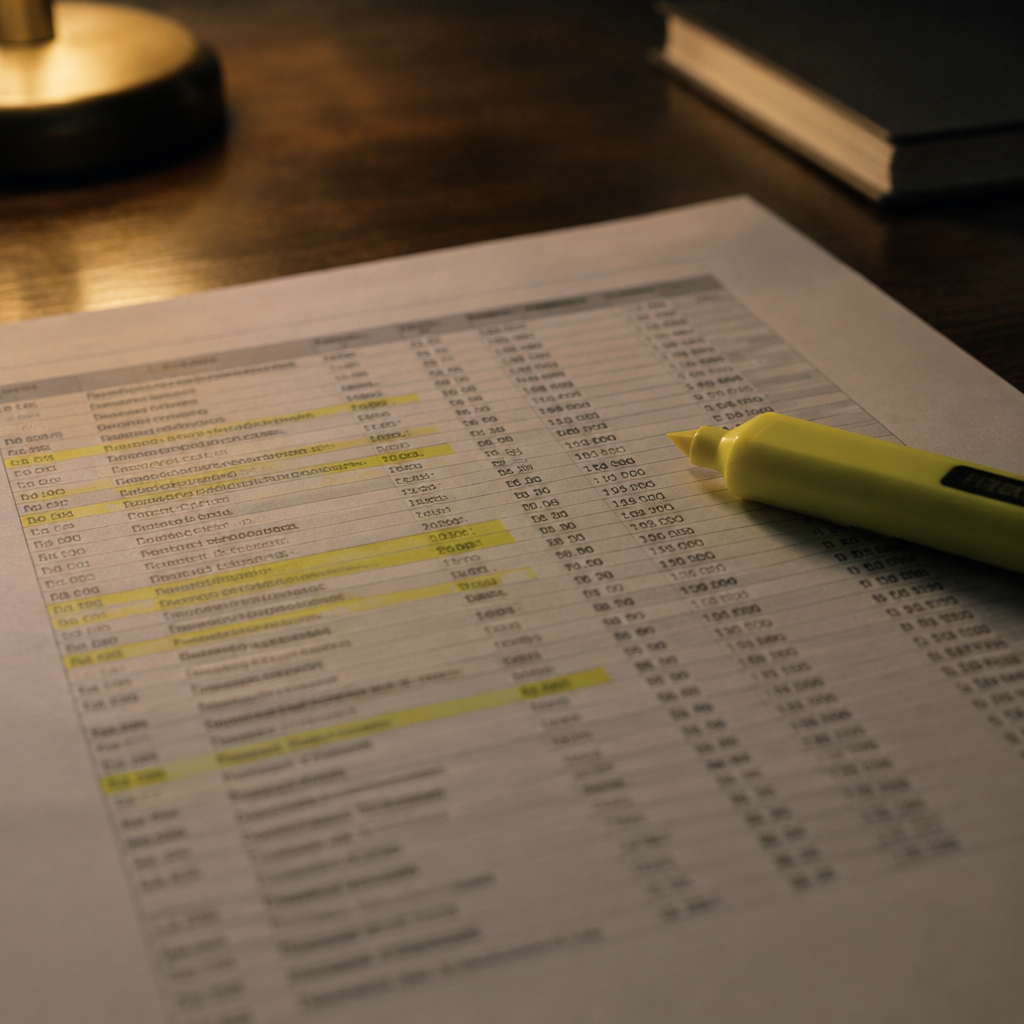
The category audit. Five dead ends, all of them mine, all of them invisible from the admin dashboard.
The nine links I should have written in September
The last fix is the one I am most annoyed about, because it was free and it was obvious.
The store and the diary are two different websites on purpose. The store sells, the diary tells the truth about selling. But a review on the store about a domain registrar had never once linked to the diary entry where I wrote about buying those same two domains. Nine pairs like that existed. Nine review pages, all of them older and better linked than the diary, none of them pointing at the story that gives the review its credibility.
So I added nine in-body links. Not a footer block, not a widget in the sidebar, not a related posts box that only shows up on mobile. A sentence inside the review, in the right place, pointing at the entry that goes with it. The Namecheap review now links to the entry about where both sites actually live. The hosting comparison links to the piece about what hosting really costs in rands, bank fees included. The Base44 review links to the night I stopped building pages by hand. The MQL5 review links to the weekend I built a trading robot. The MaxBounty review links to the ninety day target that started it.
That is the difference between a link that exists and a link that gets read. Google can follow either. People only click the one that makes sense in a sentence.
What I am not going to do
There are three obvious shortcuts from here and I am not taking any of them, so I want to write down why while I still feel the temptation.
The first is buying links. It works, briefly, and then it stops working in a way that takes years to recover from. I have one store with real products and one diary with sixty entries and no revenue worth the name. I am not trading the only asset I have for a spike.
The second is a link block in the footer of the store, repeated on every page, pointing at every diary entry. Two thousand pages of identical links is not a link structure, it is a pattern, and Google has been ignoring that pattern since before I started.
The third is syndicating all sixty entries somewhere else to manufacture inbound links. Duplicate content pointing at duplicate content, with a canonical tag doing the work of an apology. No.
What is left is slower and boring: a handful of genuine links from places where I actually exist. My MQL5 seller profile. One mention in a community where I genuinely participate. One repost on a developer blog with a canonical pointing home. Four or five links, written by hand, worth more than anything I could automate.
The part nobody enjoys. Building the outside links one at a time, by hand.
What it cost
An evening. No money, no new tools, no subscription. A number changed, five redirects written, nine sentences added, all of it on assets I already own and already pay for.
That is the part that stings. Not that the fix was hard. That the problem sat there for six weeks while I wrote more content to solve it, and every new entry made the pile of orphans slightly bigger.
What I am watching for now
I am not going to declare victory on the basis of a setting I changed eight hours ago. Indexing takes weeks and I have been wrong about this before. So here is what I will actually check, and roughly when.
In ten days I want to see the Discovered, currently not indexed number come down from thirty-six. If it does not move at all, the crawl demand is still the problem and the links are too few. If it starts moving, I will keep going in the same direction instead of inventing a new theory.
I also want the All Posts archive to finally get indexed, because that single page turns every orphan into a two click page and I cannot keep pretending it is not the most valuable URL on my domain.
And I want to see whether the store traffic notices nine new internal links, because diary readers convert worse but read longer, and I have never actually tested what happens when a review sends its reader into a story.
The thing I keep relearning
Every time something in this business stalls, my first instinct is to add more: more posts, more products, more channels, more automation. Almost every time, the actual answer is that something existing is broken and I have not looked at it closely enough.
I did not need more writing this week. I had sixty entries and twenty-seven of them could not be reached. I did not need a new traffic source. I needed the front door of my own site to open onto more than the last seven rooms.
Standing here at the end of it, with a notebook full of counts and a homepage that finally shows twenty-five, the honest summary is small and unglamorous. I built the pages. This week I built the doors.
If you are doing the same thing on your own site, go and count your orphaned pages tonight. Count them by hand. The tools will tell you whether they are indexed. Only the count will tell you whether anyone could ever have found them.
On the tooling side: the fixes above were all done on things I already run, Blogger for the diary, Cloudflare in front of it, WordPress and WooCommerce for the store, and Search Console to see the damage. The full rundown of what I pay for and whether it is worth it from South Africa now lives on the Tools I Use page.
Written by Justice Manyika — Carletonville, South Africa. This diary records my real journey, in my own words.
If this helped, follow the journey — drop your email in the box below and every new entry lands in your inbox. No spam, unsubscribe anytime.


Comments
Post a Comment